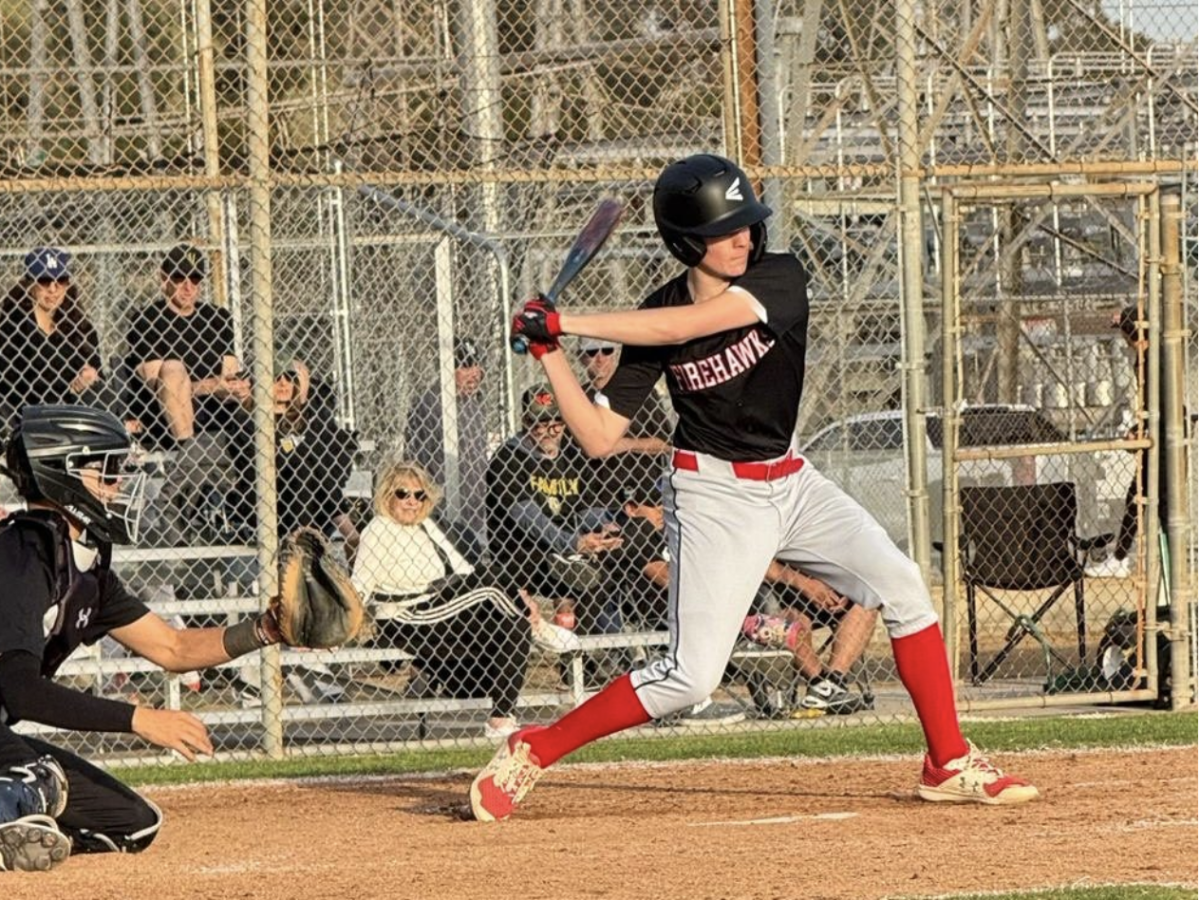
Our school is physically built around the gym: it is front and center, the first room one sees when entering the building’s main entrance. The Beis Midrash, where we study, is tucked away on the third floor. That got me thinking: metaphorically, what did that say about the school’s priorities? And were the four years, hundreds of games and thousands of hours of practice I spent on high school sports worth it?
I knew instinctively that they were, but when I really thought about the value of those hours, my answer was not specific to high school sports: “I learned life lessons, had fun, and became close with my teammates and coaches.”
On any given day, many students in Shalhevet and other Modern Orthodox high schools in the U.S. spend more hours honing their skills in their sport than learning Torah or thinking about Yiddishkeit, while also balancing academic expectations. Over the last four years I grappled with this tension, but decided to stick with sports and adopt it as an integral part of my high school experience. But I still questioned why I played high school sports, and why Modern Orthodox high schools also put such an emphasis on sports play and achievement.
After many hours of pondering, I have come up with a concept that could perhaps shift how our community interacts with sports and change our perspective on high school sports in general. I call this “the skill of sport”: a collection of skills acquired by athletes who have done years of serious sports training to strengthen competition, work ethic, drive, teamwork and the ability to combat adversity.
Sports are fun, it’s true, but at their core, the games mimic a diluted version of war: games measure how one performs under pressure, how one strategizes and how people work as a team, and test the individual’s will power. At the Olympic games in Olympia, Greece, considered to be the dawn of modern sports, athletes competed in races, wrestling and boxing competitions and javelin-throwing contests, skills which translate to the battlefield: how fast can one race to deliver orders to the front? Who would win in hand-to-hand combat? How far and how hard can you throw a spear toward your enemy?
Most Jews did not have to develop these skills, because through the vast majority of Jewish existence, Jews have not been the ones leading active battle confrontations. Instead, we have been pushed from country to country and land to land, a wandering that was supposed to become buried history with the start of Zionism and the dawn of the Jewish State. But even in a time when Israel exists, we have learned that standing up for ourselves is vital to our continued existence.
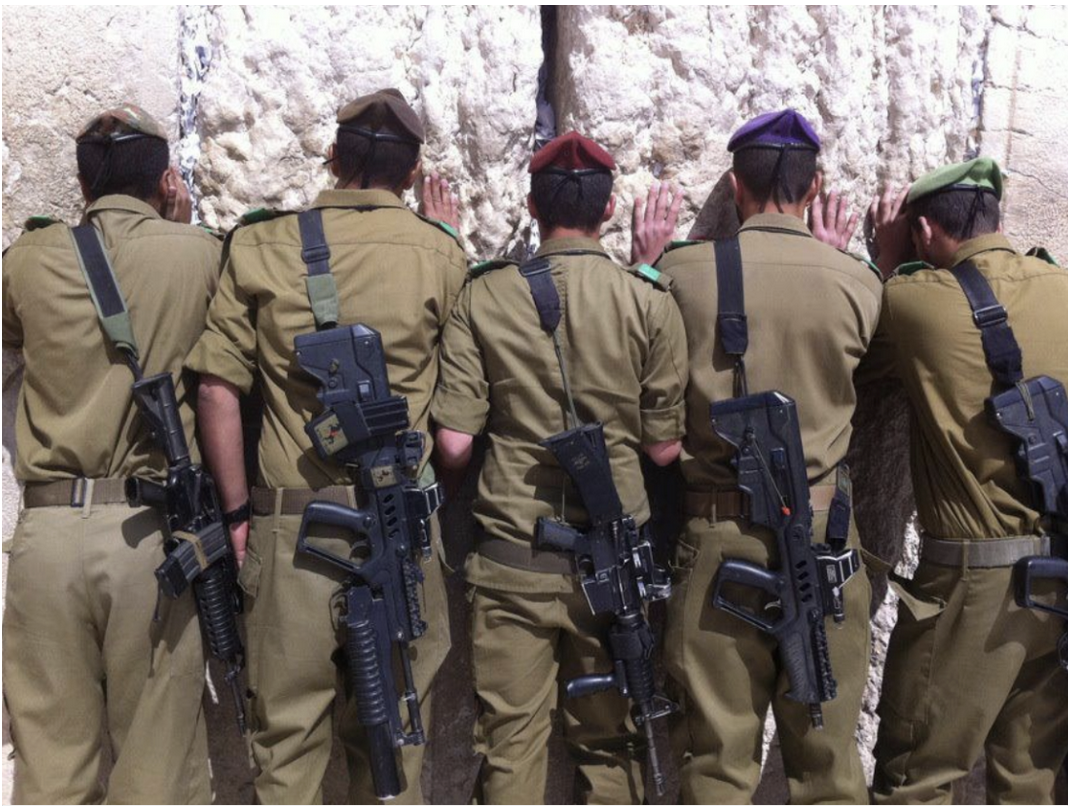
This perspective change is especially necessary for every single one of us with the recent rise of anti-semitism. It is especially relevant to Modern Orthodox high schoolers who may be departing from their protective “bubble,” and are likely to face adversity and confrontation, verbally and socially on college campuses and in work environments, or physically, as IDF soldiers.
A huge piece of the ‘skill of sport’ concept is learning how to represent yourself, your school, your community and the entire Jewish nation. For example, at an away game, playing against and in front of people who may have never before interacted with Jews prior to this, we have a huge opportunity to make a kiddush Hashem, by showing the world outside our bubble our Jewish values and how they shape who we are.
Not all sports programs in Modern Orthodox high schools teach the collection of skills that I’m calling the “skill of sport.” And it’s wholly legitimate to question schools that do not use their hundreds of sports hours to teach this collection of skills. Those hours are actively taking away time from other, potentially more beneficial activities.
For the pursuit of sports to be worth the immense amount of time it takes to train and develop the skills to play the game, it is imperative that along with sport-specific skills and strategies, the administration, coaches and players are on the same page, all committed to collaborating to ensure that the “skill of sport” is also a priority.
For example, in a post-game speech after a big loss, coaches should not just tell the players everything they did wrong. Instead they should explain to the players that losing is part of life and that they should not be discouraged. Coaches should remind their players that they need to focus on what’s next, and keep putting one foot in front of the other.
The “skill of sport” lesson comes in those moments when play pushes the players beyond their physical capabilities and skills playing the game. It must also challenge the players’ expectations of how they should interact with their teammates: they should be on-time and focused during practices and at games and feel motivated to run the team professionally and with precision to ensure results.
With this lens, was what I learned and the four years I spent playing high school sports worth it? One hundred percent. I would not change a single loss, play or moment, because each of them taught me this collection of skills — the skill of sport — that I am taking with me into my future.
This story was published in The Boiling Point of Shalhevet High School on June 7, 2026.