In a culture of constant scrolling and posting, the close relationship between politics and social media have become inevitable. Whether through AI-generated songs about Charlie Kirk or protestant hashtags, it is challenging to discourage social media’s use for staying up to date in the world. However, official government and news accounts can help spread reliable news and minimize polarizing and biased information. These accounts can provide citizens with important updates in a digestible format. However, over the past year, the character of such accounts have been put into question.
According to the Pew Research Center, approximately 53% of U.S. adults report getting their news through social media platforms either regularly or on occasion. While social media is rampant with extremist views and misinformation, accounts from credible news sources can help anchor users within the inundation of information they find online. This is why it is crucial for users to be mindful of what they consume. However, it is also important for managers of revered accounts to understand their influence and role online and to be conscious of what they post
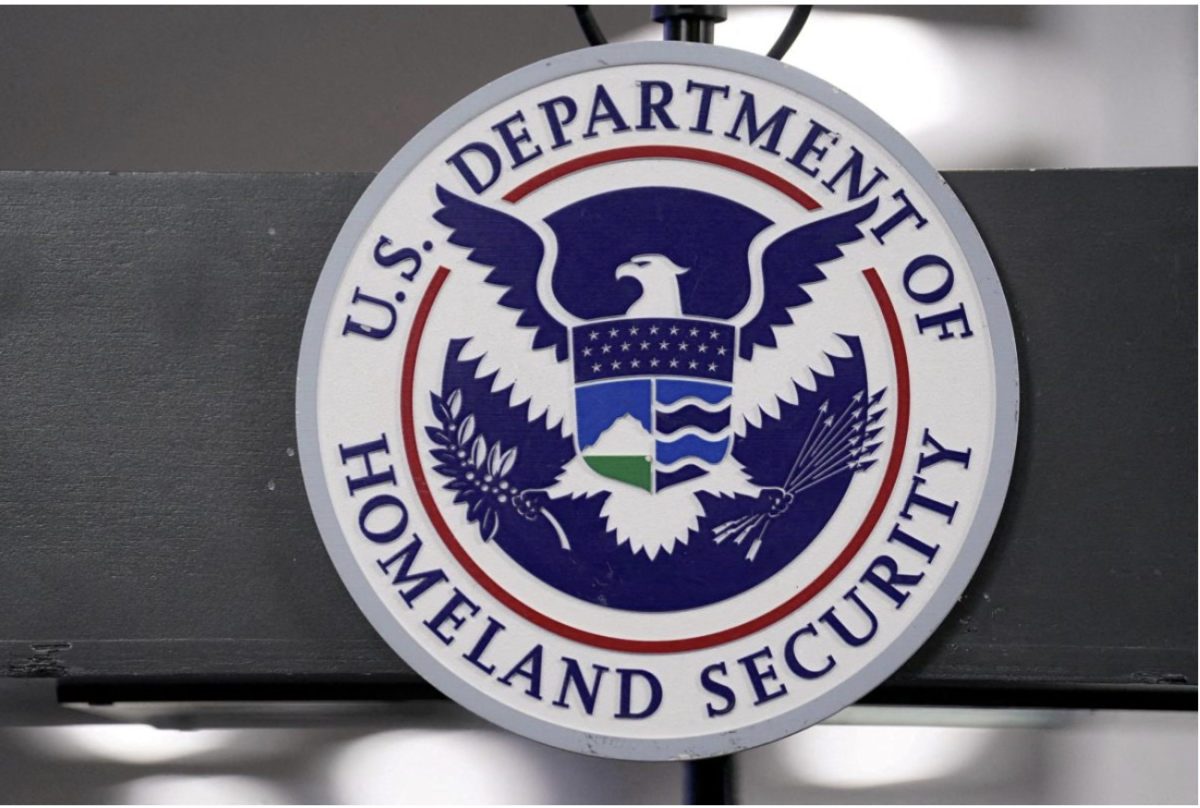
Particularly in relation to its immigration policies, the White House, along with the Department of Homeland Security, have been publishing posts that are resemblant to memes and popular trends to appeal to younger audiences. In a post on X on March 27, 2025, the White House created an image out of OpenAI’s Studio-Ghibli meme generator with the AI image featuring a woman in tears being detained by an Immigration, Customs and Enforcement (ICE) agent.
This devastating, real-world scenario was depicted through a cartoon style inspired by a collection of children’s movies. This is just one example of many meme-like posts government accounts have made.
On July 29, 2025, the White House posted a TikTok style video featuring clips of undocumented immigrants being handcuffed and brought onto a plane. The clip was played along with the viral Jet2 Holiday audio, an upbeat and charismatic theme song advertising the airline. The song served as the audio to a popular trend in which creators posted humorous and chaotic videos of themselves. This video, however, is not a lighthearted blooper moment. It is footage of people whose lives have been uprooted, and it does not set an appropriate tone for the post.
Immigration is a layered and complex part of the U.S. It involves so much more than the deportation of humans who pose real-life threats to National security. Deportation also includes completely disrupting the lives of entire families who are key members of communities within our country. It is not black and white, and should not be treated as such. It is not necessary to disagree with the contents of the post to know that framing deportation as a trendy meme is wrong.
This genre of posts made by our government undermines the emotion and complexity of the situations they discuss by communicating with the public through sarcasm and humor. While these posts foster a large audience, they are not a professional way to disperse government messages. Critics denounce the government’s posts as unprofessional, but I believe that they reveal a deeper fault in our government. We should be alarmed by our government’s enjoyment of self-satirization. If it cannot view its own widespread and consequential actions seriously, why should it expect its citizens to? A government that turns heavy national issues into memes is not something to laugh at. It is something to be fearful of.
The government should be mindful of how it presents itself in all forms. Even on social media, it is a reflection of the American people, and it is unacceptable for it to lose its professionalism in an environment on which it depends for credibility. No matter the scenario, the government owes its people to be thoughtful and polished, and to treat every political situation with humanity and gravity.
This story first appeared in The Lion’s Tale on Feb. 18, 2026.